Home » Posts tagged 'residential plumbers'
Tag Archives: residential plumbers
4 Signs That You Need an Emergency Plumber
Plumbing emergencies never happen at a convenient time. Whether it’s a burst pipe or a clogged toilet, these problems can cause major damage and disrupt your life.
Before calling Shreveport Plumbing Company it’s important to know whether or not the problem warrants immediate attention. Angi helps you connect with local plumbers who can answer your questions and help you determine if it’s time to call an emergency plumber.
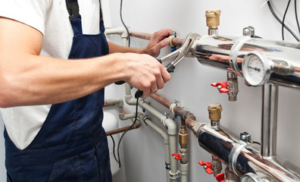
When a pipe bursts, it can create massive pools of water that cause significant damage in a short amount of time. This is a true emergency plumbing situation, and it requires the help of an experienced professional to resolve. It is important to shut off the water supply to your home as soon as you notice a pipe problem, so you do not experience further damage.
A pipe may burst for a number of reasons. One common cause is freezing temperatures that can lead to pipes bursting as they expand. Other reasons include age and general wear and tear that can weaken pipes over time. No matter the cause, it is crucial to call for emergency plumbing as soon as you notice a burst pipe.
Some signs that a pipe has burst include inconsistent water pressure, the sound of running water, and water stains on the ceiling or walls. Another indication is the odor of sewage, which can be caused by a sewer line that has ruptured. Sewage is a dangerous and unhealthy substance that needs to be removed as quickly as possible.
Once you have turned off the water supply to your home, it is important to try and save as much of your belongings as possible. If possible, you should also take detailed pictures of the damaged area to use when filing an insurance claim. It is also a good idea to move any furniture away from the affected area to prevent further damage.
A plumber will be able to replace or repair your damaged pipe, depending on the extent of the damage. In some cases, a simple patch can be used to repair a broken pipe. These patches are usually made of rubber and can be placed over the hole for a temporary fix until a professional plumber arrives.
When looking for an emergency plumber, it is important to choose one with great customer reviews and ratings. A quality pro will be able to assess the situation and provide you with an accurate estimate before beginning any work. Plus, an emergency plumber will be able to respond quickly in an emergency situation, which can be a lifesaver in some situations.
If a toilet is flushing but refuses to drain, or your shower feels like a waterfall, you need an emergency plumber. These are signs of major clogs that can quickly lead to flooding and water damage. Fortunately, many clogs are preventable with regular maintenance. It’s important to throw away food scraps in the garbage instead of down the drain, and be wary of what you put down your toilets (e.g., toys, feminine hygiene products).
Another reason to call an emergency plumber is if you have multiple drains clogging at once. This is often a sign of an issue with your sewer line, and it’s imperative to address the problem as soon as possible to avoid severe damage.
A burst pipe is a serious plumbing issue that can cause significant water damage in your home. Before calling an emergency plumber, try shutting off the water flow to the affected fixture. You can do this by turning off the valves at each fixture or at your water meter. It’s also a good idea to make sure all members of your household know where the shutoff valves are located so they can turn off the water in an emergency.
When a pipe bursts, it can create a huge mess and even flood your entire home. Before you call an emergency plumber, check to see if there are any visible leaks or water stains on your ceiling. You’ll also want to check your basement for any flooding or water damage.
A gas leak is a serious safety hazard and should always be addressed immediately. It’s important to note that while natural gas has an odor, some emergency plumbers will add chemicals to your home’s gas line to give it a distinct smell in case of a leak. A sewage backup is a more severe issue that should also be treated as an emergency. Not only does it pose a health risk, but it can also release air-borne contaminants that can cause vomiting and fever.
Toilets aren’t indestructible, and over time they can start to leak. While it may seem like a minor issue at first, constantly running toilets can lead to water damage that is expensive to fix. It’s important to call a plumber as soon as you notice any problems with your toilets, so they can repair them before the problem gets worse.
Running toilets can also be caused by a faulty float mechanism, or if the flapper is worn out. In either case, it’s an emergency situation that needs to be dealt with immediately before the problem worsens.
Another common plumbing emergency is a burst pipe. If your pipes burst, it’s important to shut off the water supply before calling a plumber. This can be done by locating the main water valve in your home, usually located in the basement or near your water meter. Once the water is shut off, it’s important to turn on faucets in your home to drain any remaining water in the pipes.
You should also contact your local water company to see if they can send someone out to help with the clean-up process. If the leak is coming from a section of your home’s foundation, you may need to have a professional assess the damage and determine if it requires immediate attention or can wait until normal business hours.
A sewage backup is a serious issue that could cause health and safety issues for you and your family. It can be caused by a number of things, including tree roots or a broken sewer line. Emergency plumbing services are needed to remove the sewage and disinfect your home.
Not having hot water is a major inconvenience, and it can cause other issues if left untreated. If you don’t have enough hot water to shower, wash dishes, or take care of other chores, it’s an emergency situation that needs immediate attention. An emergency plumber can help you restore your hot water in no time.
A water leak is a major problem that can cause significant damage in a short amount of time. It can also lead to higher water bills and may require costly repairs or replacements if left unchecked. Water leaks can occur from faulty pipes, overflowing toilets, or even due to wear and tear. Some signs that you may have a water leak include inconsistent water pressure, seeing water stains, hearing running water, or even smelling a foul odour.
If you notice any of these signs, it is important to call an emergency plumber right away. However, it is also important to know when a problem is actually an emergency and when it can wait until normal business hours.
One of the most common plumbing emergencies is a leaking toilet. A leaking toilet can create flooding and water damage in your home, as well as expose you to potential health risks such as a build-up of bacteria from stagnant water. A leaking toilet should always be treated as an emergency and should be fixed immediately.
Another serious plumbing issue is a blocked drain or toilet. Blocked drains can cause messy and smelly water backups that may require the help of an emergency plumber to clear. Often, these blockages are caused by excess waste in the home, including wipes, paper towels, and hair. It is important to reduce your waste as much as possible and to dispose of it correctly.
Emergency plumbers are available 24/7 to assist with all of your plumbing needs. Taking preventive measures, such as maintaining your hot water system and avoiding blockages, can help to avoid plumbing emergencies altogether. If you do encounter a plumbing emergency, it is important to know when to call for help and how to best minimise the damage.
Before calling an emergency plumber, make sure they are licensed and insured. You can also check their credentials by searching online reviews or asking friends and family for recommendations. Choosing a qualified and experienced emergency plumber will ensure that your plumbing issues are dealt with quickly and professionally.