Home » Posts tagged 'fire restoration'
Tag Archives: fire restoration
Water Damage Restoration – What Happens Next?
Water damage is a serious problem that can affect your home’s building materials and personal belongings. It can also create an ideal environment for mold and mildew to grow, which is why it’s important to take immediate action.
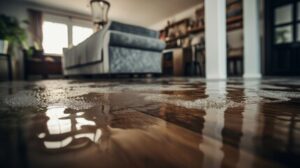
To address the problem, you can use Water Damage Restoration Los Angeles techniques. These include:
After assessing the damage, the water restoration professional will create a plan for getting the area back to normal. This will include an estimate of the costs and a schedule for how long each step will take. This plan should be approved by you as soon as possible so that the work can begin.
One of the first things a restoration company will do is remove the standing water. This is done using powerful pumps and vacuums that can clear out gallons of water in a short amount of time. They will also use dehumidifiers to remove any moisture from the affected materials. This is important because wet materials can quickly develop serious problems like mold if they are not dried and sanitized.
The next thing a restoration company will do is inspect the affected area for additional problems. This is done using moisture sensors and meters that will tell them how much moisture is in the air and in the materials. This information can then be used to determine the type of water damage that has occurred. This will help them decide what materials need to be replaced and whether any parts of the home need to be removed for repairs.
During this inspection, the specialist will also check for any safety issues and shut off the power to any areas that have been affected by water. They will also check for any electrical hazards such as faulty outlets and cords. Finally, they will examine the extent of the water damage by examining drywall, carpeting, wood flooring and other materials in the affected area. They will also look for any swollen or warped wood as well as any areas that have developed mold or mildew.
Getting Rid of the Standing Water
Once the water has receded it is time to start cleaning up and removing the standing water. This is a big job and will require a pump and possibly even a wet-dry vacuum or towels. It is important to get the water out as soon as possible because it will only slow down your repair and restoration efforts.
It is also a good idea to check the area for any safety hazards before proceeding. There could be dangerous animals hiding under flood waters, venomous insects washed into homes and buildings, or any other type of danger. It is also a good idea to turn off any electrical appliances or gas lines that have been affected by the water.
The next step is to find the cause of the water intrusion. If the water is coming from a ruptured pipe, it will probably be able to be stopped by shutting off the valve on the affected pipe. However, if the water is coming from outside or a flooded crawl space it will probably take more work to stop it.
Another possibility is that there is a crack in your foundation that allows water to seep through and into the home. This is a problem that usually needs to be addressed by a professional to prevent further damage.
Once the area is clean and dry, it is a good idea to deodorize it. This will help to remove any unwanted odors and prevent mold and mildew growth. It is also a good idea to open up all the windows and doors in the affected room to allow for air circulation. A dehumidifier can also be used to remove excess moisture from the air.
Drying the Area
Drying the area after water damage is vital to prevent structural damage, mold growth, and bad odors. During this step, water restoration experts use moisture meters to ensure that the area has been thoroughly dried. They also sanitize the area and remove bacteria from surfaces that have been affected by water.
To speed up the drying process, professional water restoration experts will usually use large commercial fans and dehumidifiers to pull air through a space. They may also open windows to allow air circulation and increase evaporation. In extreme cases, heaters are used to help the drying process along.
It can take days to weeks for a space to be fully dry after a flood, depending on the amount of water and materials that have been damaged. It is important to keep in mind that even if a surface seems dry to the touch, there may still be underlying moisture behind walls and in other hard-to-reach places. The longer that moisture is allowed to remain in a space, the more it will damage the surrounding materials and can lead to rot and mold growth.
Homeowners should not try to handle the water cleanup and drying process themselves, as this can be dangerous and extremely time-consuming. If you do decide to hire a professional, make sure that they have extensive experience with water damage mitigation and that their staff are certified professionals. It is also important to ask about their equipment, what they charge for their services, and how well past clients have been satisfied with them. If possible, look for reviews of potential water restoration companies online to find out what others have said about their services.
Sanitizing the Area
After getting rid of all the standing water, it’s time to get started cleaning the affected area. This involves removing any contaminated materials that need to be disposed of, and it’s also a good idea to disinfect the area so it doesn’t harbor mold spores or any other health hazards. This step can be tough, but it’s a critical one that brings you closer to getting your home back to normal.
The first thing you need to do when dealing with a flood is discover the source of the water. This can help you figure out what kind of cleaning and sanitizing is required, which will depend on the category of water damage that occurred. There are three types of water: clean, gray, and black. Clean water is rain or water that comes from a faucet, while gray water is from the sink, bathtub, or washing machine. Finally, black water is sewage or water from a nearby river, and it can contain harmful bacteria that can cause serious health problems.
If you’re working with a restoration company, make sure they’re IICRC-certified. This means they follow the best industry practices and keep up with the latest technology and techniques. IICRC-certified professionals will be able to restore your property to its pre-loss state, or at least very close to it.
If you’re working on a smaller scale, you can use a bleach solution or other disinfectant to sanitize the area. This will kill any bacteria and other contaminants that may be lingering after the water damage, so it’s important to do this as soon as possible. If you don’t, it could take longer to finish the restoration process and return your property to its original state.
Contacting a Professional
A professional company will have the right equipment and experience to tackle any water damage issue. They will be able to extract the water quickly, and they can also dry the affected area effectively. They will also know how to inspect for any structural damage and ensure that the area is safe.
They will also be able to tell you what can and cannot be saved, which can save you time and money in the long run. This is especially important if you have any items of value that can be salvaged, such as furniture or electronics. They will be able to give you an accurate assessment of the situation and help you save your valuables.
Another reason why you should call a professional is that they will be able to take care of any mold issues that may arise as a result of the water damage. This is because standing water can breed mold and bacteria, which can be very harmful to your health. Professionals will be able to remove the mold and disinfect the affected areas, which will help keep you and your family healthy.
Finally, a professional water damage restoration company will be able to assist you with filing an insurance claim. This can be a confusing process, but most restoration companies have experience working with insurance companies and will be able to get you a fair settlement.
If you’re considering hiring a water damage restoration company, it is important to do your research beforehand. Look for companies that use environmentally friendly cleaning and drying methods, and check to see if they have any certifications or reviews from past clients. It’s also a good idea to find out what their prices are and if they offer any discounts.